
Introduction
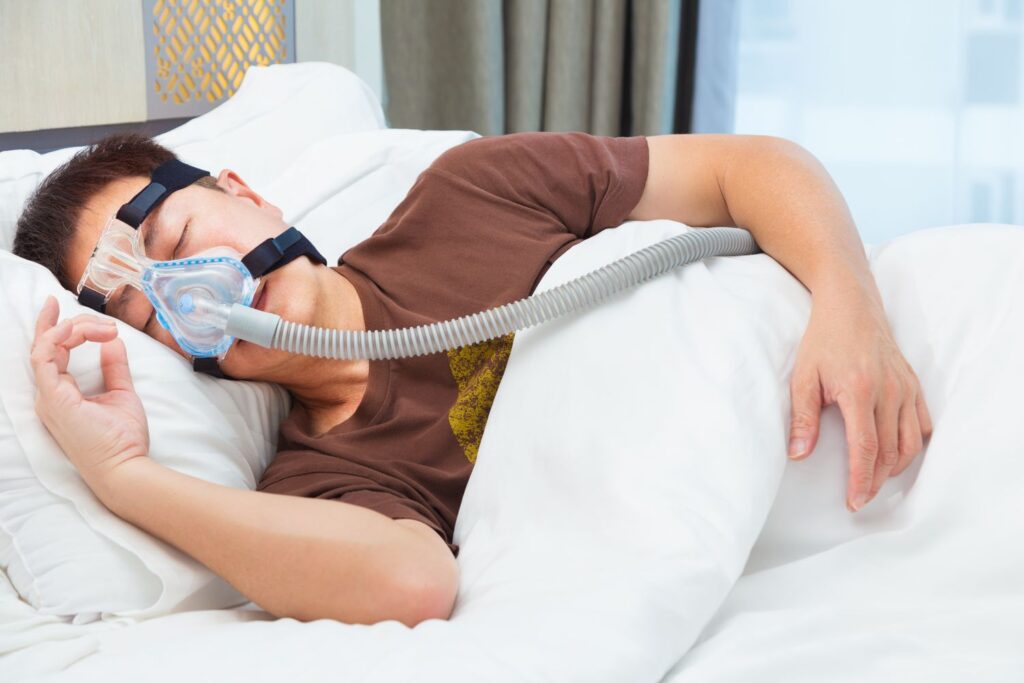
Sleep is vital for health, yet many Australians struggle with issues like snoring, daytime fatigue, or restless nights. When these problems persist, a sleep test can reveal underlying conditions such as sleep apnoea, insomnia, or narcolepsy. With options like home sleep tests and in-lab studies, patients can choose a method that suits their lifestyle and medical needs. Understanding the differences helps you make an informed decision and ensures accurate results.
What is a Sleep Test?
A sleep test, or sleep study, monitors physiological activity during sleep to detect abnormalities. Key measurements include:
- Brain activity (EEG)
- Eye movements
- Heart rate and rhythm
- Breathing patterns
- Blood oxygen levels
- Muscle activity
These insights enable sleep specialists to diagnose disorders and create personalised treatment plans, improving sleep quality and overall wellbeing.
Preparing for Your First Sleep Study
Proper preparation enhances comfort and accuracy:
- Maintain regular sleep patterns in the days leading up to the study
- Avoid caffeine, alcohol, and sedatives on the day of testing
- Wear loose, comfortable clothing
- Bring personal items like pillows or blankets for comfort
- Follow your doctor’s instructions regarding medications
Being well-prepared can reduce anxiety and make the experience smoother.
In-Lab Studies
Polysomnography (PSG) is the standard in-lab study:
- Conducted overnight in a sleep clinic
- Comprehensive monitoring of brain waves, heart rate, breathing, oxygen levels, and muscle activity
- Supervised by trained technicians
- Recommended for complex or unclear cases
What to Expect:
- Sensors and electrodes attached to monitor sleep parameters
- Nasal cannula and finger sensor for breathing and oxygen tracking
- Technicians available to adjust equipment or answer questions
Home Sleep Tests
Home sleep studies are a convenient alternative for certain conditions, especially suspected sleep apnoea:
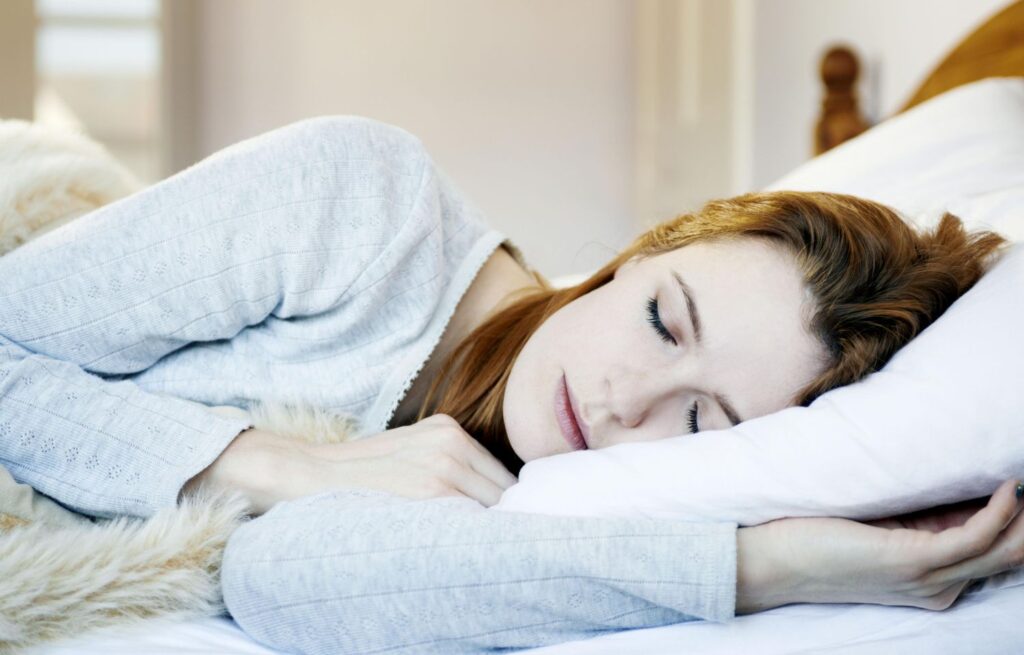
- Conducted in the comfort of your own bed
- Focuses on breathing patterns, oxygen saturation, and heart rate
- Less intrusive and easier to set up than in-lab studies
What to Expect:
- Simple, wearable monitoring devices
- Instructions from your sleep clinic for setup
- Natural sleep environment for more representative results
Comparing Home vs. In-Lab Studies
| Feature | In-Lab Study | Home Sleep Test |
|---|---|---|
| Environment | Sleep clinic | Your own bed |
| Monitoring | Comprehensive (brain, heart, breathing, oxygen, muscles) | Breathing, oxygen, heart rate |
| Supervision | Technician present overnight | Self-administered, with remote guidance |
| Comfort | Some find sensors intrusive | Less intrusive, more natural sleep |
| Best For | Complex or unclear disorders | Suspected sleep apnoea, routine monitoring |
Both methods are accurate for specific conditions, and your sleep specialist will recommend the best approach based on your symptoms.
Benefits and Potential Discomforts
Benefits
- Accurate diagnosis of sleep disorders
- Personalised treatment options
- Improved daytime alertness and energy
- Reduced risk of complications like heart disease and high blood pressure
Potential Discomforts
- Mild skin irritation from electrodes
- Minor nasal discomfort from breathing sensors
- Slight sleep disruption due to monitoring equipment
Advances in technology have made both home and in-lab sleep studies more comfortable and less intrusive than older methods.
Patient Experiences
- “The home study was easy to set up and comfortable, and I could sleep in my own bed.”
- “I expected the in-lab study to be difficult, but the staff were supportive, and I slept reasonably well.”
- “The results from my sleep study helped my doctor create a treatment plan that improved my energy during the day.”
Patient experiences highlight that both types of studies are manageable and provide valuable insights.
Conclusion
Choosing between a home sleep test and an in-lab study depends on your symptoms, comfort level, and your doctor’s recommendation. Both options are effective, modern, and provide accurate diagnoses for sleep disorders. Proper preparation, understanding what to expect, and following guidance ensures a comfortable and productive sleep study experience.
FAQs
1. How do I decide between a home sleep test and an in-lab study?
Your doctor will recommend the best option based on your symptoms. Home studies are suitable for suspected sleep apnoea and routine monitoring, while in-lab studies are recommended for complex or unclear sleep disorders requiring comprehensive monitoring.
2. Will I be comfortable during an in-lab sleep study?
Most patients experience minor discomfort from sensors or nasal devices. Technicians assist with adjustments, and modern equipment is minimally invasive, allowing most people to sleep reasonably well.
3. Are home sleep studies accurate?
Yes, home sleep studies are reliable for diagnosing sleep apnoea and monitoring breathing, oxygen, and heart rate. While less comprehensive than in-lab studies, they provide sufficient data for many patients and are more convenient.
4. How should I prepare for a home sleep test?
Maintain regular sleep patterns, avoid caffeine and alcohol, wear comfortable clothing, and follow the clinic’s setup instructions. Proper preparation ensures accurate readings and a smoother experience.
5. How long until I get my sleep test results?
Results are typically available within a few days to a week. Your sleep specialist will provide a detailed report explaining your sleep patterns, any detected disorders, and recommended treatments for improved sleep quality.